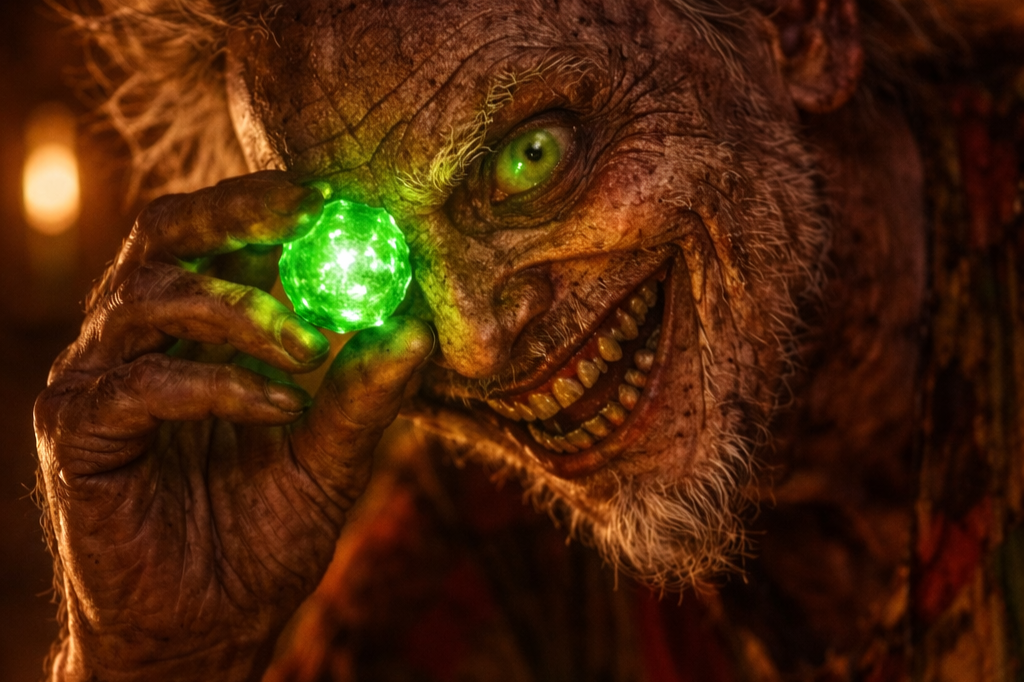
The tavern scene arrived without warning, unfolding as something far more unsettling than I had expected. What begins as a quiet, grounded setting quickly shifts with the presence of Smidge, a figure who feels less like a man and more like a force that intrudes, presses, and unsettles. His behaviour is erratic yet deliberate, overly familiar yet quietly predatory, as though every interaction is a game being rewritten in his favour.
There is something recognisable in him. Not in appearance, but in essence. He reflects a kind of modern drift, where discipline is replaced with indulgence and self-awareness gives way to performance. He offers things that seem valuable on the surface, but carry a deeper sense of unease, drawing others into a space where boundaries are blurred and intentions are unclear.
Ravenheart’s stillness becomes the counterpoint to this. While Smidge pushes, probes, and manipulates, Ravenheart observes, holding his ground without fully engaging. It is in this tension that the scene reveals its true nature, not just an encounter between two characters, but a confrontation between clarity and distortion, restraint and excess.


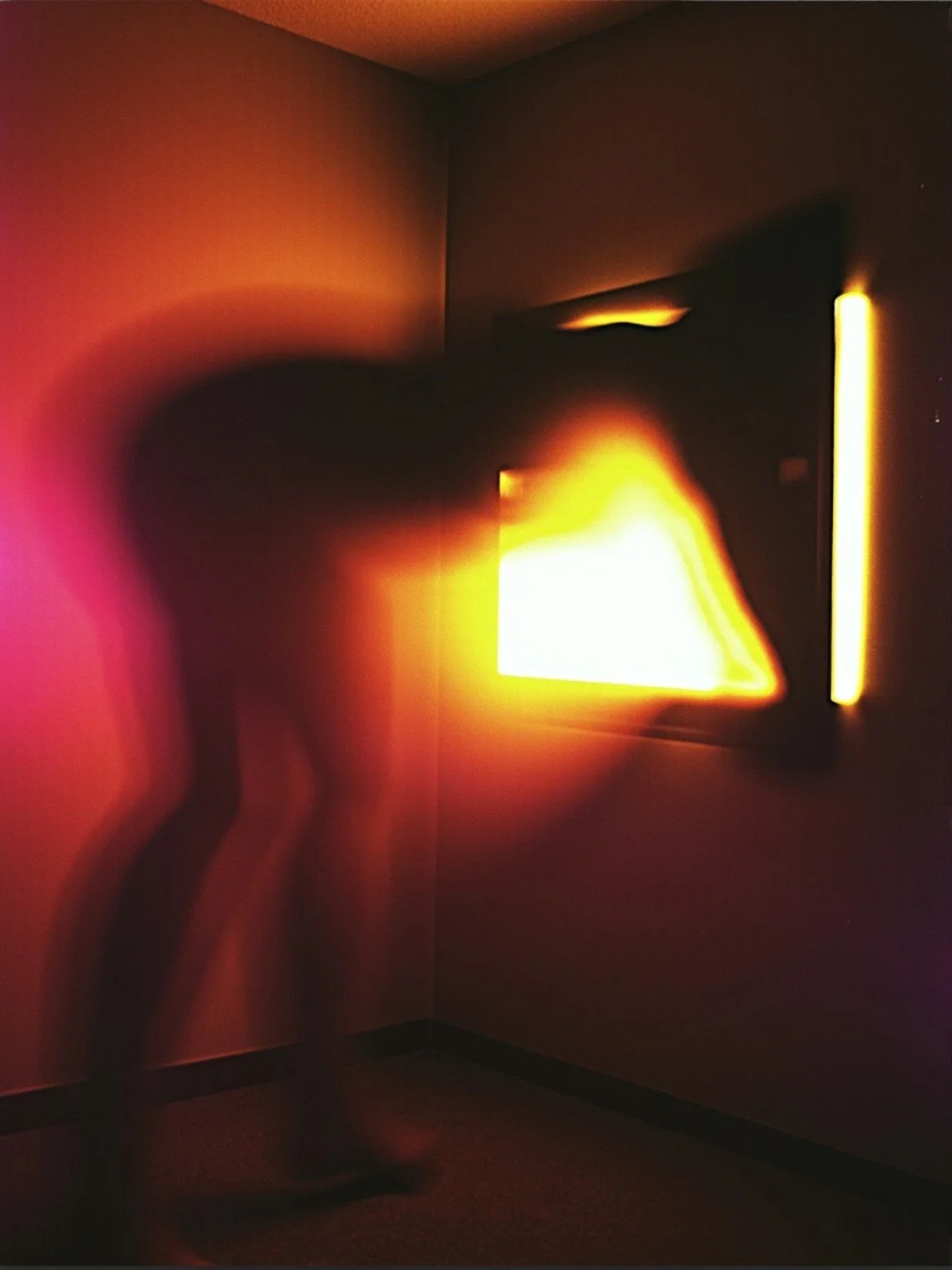
The Tree of the Future did not arrive as an idea, but as an intrusion. It stands planted in the middle of the street—vast, artificial, and unmistakably wrong—yet no one seems to notice. Beneath it, people move as if sleepwalking, accustomed to an ugliness that has become invisible through repetition. This image is not an accusation, but a mourning: for imagination stripped of feeling, for individuality softened into uniformity, and for a civilisation that has mistaken survival for living.